
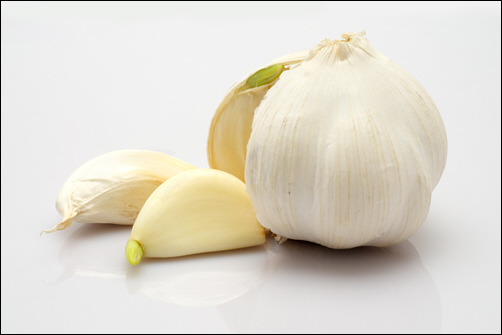
Avoid These Foods for Fresh Breath and Brighter Teeth
Maintaining fresh breath and a bright smile isn’t just about brushing and flossing—what you eat plays a significant role in your oral health. Some foods can leave lingering odors, while others cause staining that dulls your teeth’s natural whiteness. By avoiding or limiting these foods, you can keep your breath fresher and your smile brighter. Here’s a guide to the top offenders and how they impact your oral health.
-
 Coffee and Tea
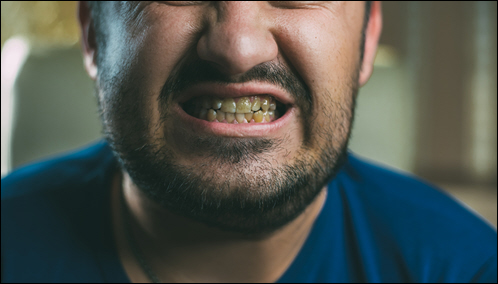
Coffee and tea, especially darker varieties, are major culprits in causing tooth discoloration. Both drinks contain tannins, which are compounds that stick to your teeth and create yellow or brown stains over time. Additionally, their acidity can erode enamel, making it easier for pigments to cling to your teeth. While it’s hard to say goodbye to your morning cup, consider drinking water afterward or using a straw to limit direct contact with your teeth. Rinsing your mouth after each cup helps prevent these stains from setting in.
- Red Wine
Red wine may have health benefits, but it’s notorious for causing both tooth stains and bad breath. The dark pigments in red wine, along with tannins and high acidity, contribute to discoloration. Red wine also dries out the mouth, allowing odor-causing bacteria to thrive and causing bad breath. If you enjoy wine, try rinsing with water afterward or eating crunchy vegetables, like carrots or celery, which help clean your teeth naturally.
-
 Garlic and Onions
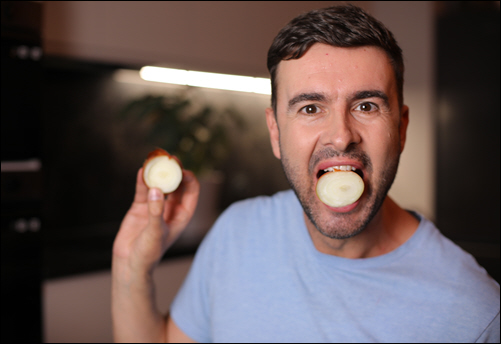
Garlic and onions contain sulfur compounds that produce strong odors, and these compounds enter your bloodstream after digestion. This means that brushing alone won’t fully mask the smell since it’s exhaled through your lungs. Both raw and cooked garlic and onions contribute to bad breath, but raw forms are especially potent. If you’re heading into a social or professional setting, limit your intake of these ingredients, or pair them with parsley or mint to help neutralize the odor.
- Sugary Sodas and Energy Drinks
Sugary sodas and energy drinks are acidic and packed with sugars that fuel bacteria in your mouth, contributing to both bad breath and tooth decay. The high acidity softens enamel, making it easier for stains to form and for teeth to discolor. Even diet sodas, which lack sugar, still contain acids that weaken enamel. If you enjoy these drinks, use a straw to reduce contact with your teeth, and rinse your mouth afterward with water.
- Dark Berries
Dark-colored berries, such as blueberries, blackberries, and cherries, contain deep pigments that can cling to enamel, causing stains. While these fruits are healthy and rich in antioxidants, they can darken your smile if consumed frequently. Rinse your mouth with water after eating dark berries, or include them in a meal where other foods will help scrub away some of the pigments.
- Processed Foods
Many processed foods contain high levels of sugar, preservatives, and artificial coloring, which contribute to both bad breath and tooth discoloration. The added sugars fuel bacteria that cause odor and promote decay, while artificial colors can leave stains over time. Instead, opt for whole foods that support both your oral and overall health.
- Vinegar and Pickled Foods
Vinegar and pickled foods have high acidity levels, which can erode enamel and make teeth more susceptible to stains. Additionally, their strong flavors often linger on the breath, contributing to bad breath. Enjoy pickled foods in moderation, and follow up with water to rinse away residual acids.
Brighten Your Smile with Smarter Choices
Avoiding or limiting these foods and drinks helps you maintain fresh breath and a stain-free smile. When you do enjoy them, consider rinsing with water afterward or pairing them with foods that help neutralize acids and clean your teeth. With a few mindful choices, you can keep your smile bright and your breath fresh, boosting your confidence in every social interaction. And for good oral health care at home, be sure to brush, floss, and rinse whenever you finish a meal.