
Gingivitis: Recognize the Early Signs of Gum Disease
If your gums bleed when you brush or floss, it can be tempting to ignore it. However, frequent bleeding, redness, or swelling may indicate gingivitis, the earliest stage of gum disease. Identifying and treating gingivitis early can help prevent it from progressing into a more serious periodontal condition.
At McCracken Family Dentistry, we encourage patients to pay attention to changes in their gums and make periodontal health an important part of their everyday dental care.
What Is Gingivitis?
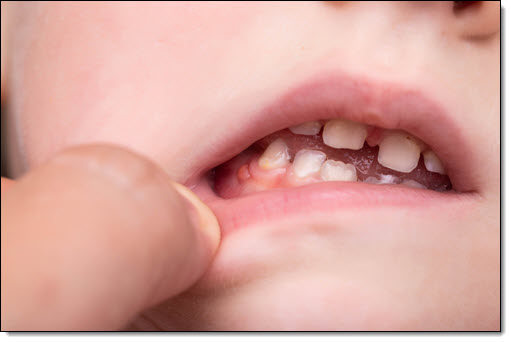 Gingivitis is inflammation of the gum tissue surrounding your teeth. It most commonly develops when plaque accumulates along the gumline.
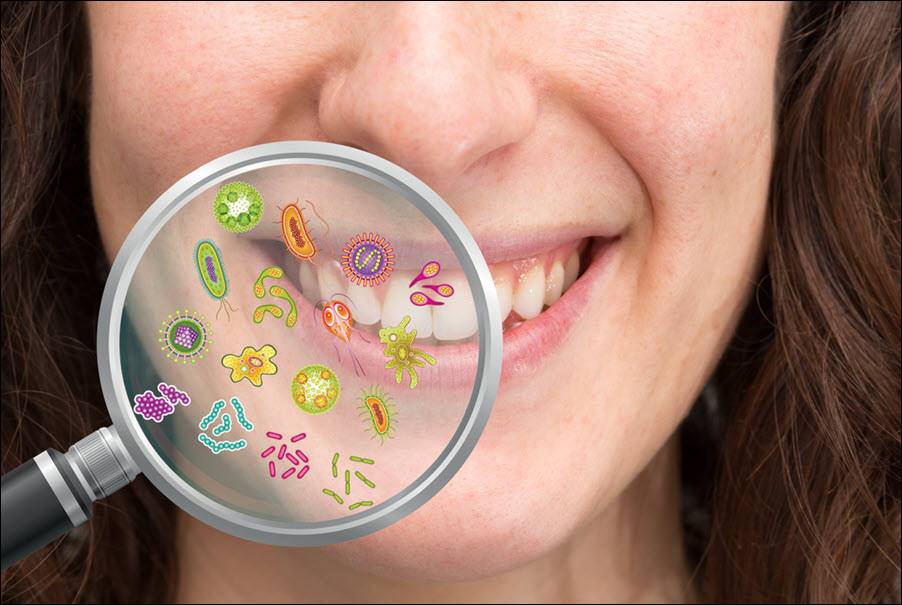
Plaque is a sticky film of bacteria that continuously forms on your teeth. Daily brushing and flossing help remove it. However, plaque that remains can eventually harden into tartar, which cannot be effectively removed with a toothbrush alone.
The bacteria in plaque and tartar can irritate your gums, causing inflammation and the early symptoms of gum disease.
What Are the Signs of Gingivitis?
Gingivitis does not always cause pain. As a result, you may have early gum disease without realizing there is a problem.
Common signs include:
- Red or swollen gums
- Bleeding when brushing or flossing
- Tender or sensitive gums
- Persistent bad breath
- Changes in the appearance of your gumline
Healthy gums should generally be firm and fit closely around your teeth. If you notice persistent changes, a dental examination can help determine the cause.
What Causes Gingivitis?
Plaque buildup is the primary cause of gingivitis. Inconsistent brushing and flossing allow bacteria to remain around the teeth and gums.
Several other factors may increase your risk of developing gum problems. These can include tobacco use, dry mouth, crowded teeth, certain medications, hormonal changes, and some medical conditions.
Regular dental visits are important because your dental team can identify early gum inflammation that may be difficult to recognize at home.
Can Gingivitis Be Reversed?
One of the most important reasons to identify gingivitis early is that it can often be reversed with appropriate care.
A professional dental cleaning removes plaque and hardened tartar from your teeth. Consistent brushing and flossing at home can then help prevent plaque from accumulating again.
If gingivitis is allowed to progress, it can develop into periodontitis. This more advanced form of gum disease can damage the tissues and bone that support your teeth. Unlike gingivitis, damage caused by periodontitis may be permanent.
How Can You Prevent Gingivitis?
Good oral hygiene is your first line of defense. Brush twice daily for about two minutes using fluoride toothpaste and a soft-bristled toothbrush.
Floss or use another interdental cleaner every day. This is particularly important because plaque can accumulate between teeth where your toothbrush cannot effectively reach.
Avoid tobacco products and maintain regular dental examinations and professional cleanings. Your dentist can recommend a preventive care schedule based on your individual needs.
Keep Your Gums Healthy
Bleeding gums should not simply be accepted as normal. Early attention to gingivitis can help protect your gums and reduce your risk of developing more advanced periodontal disease.
McCracken Family Dentistry provides preventive and periodontal dental care to help patients maintain healthy teeth and gums. If you have bleeding, swollen, or tender gums, contact our office to schedule a dental evaluation.
