What Is Gum Contouring and Who Needs It?
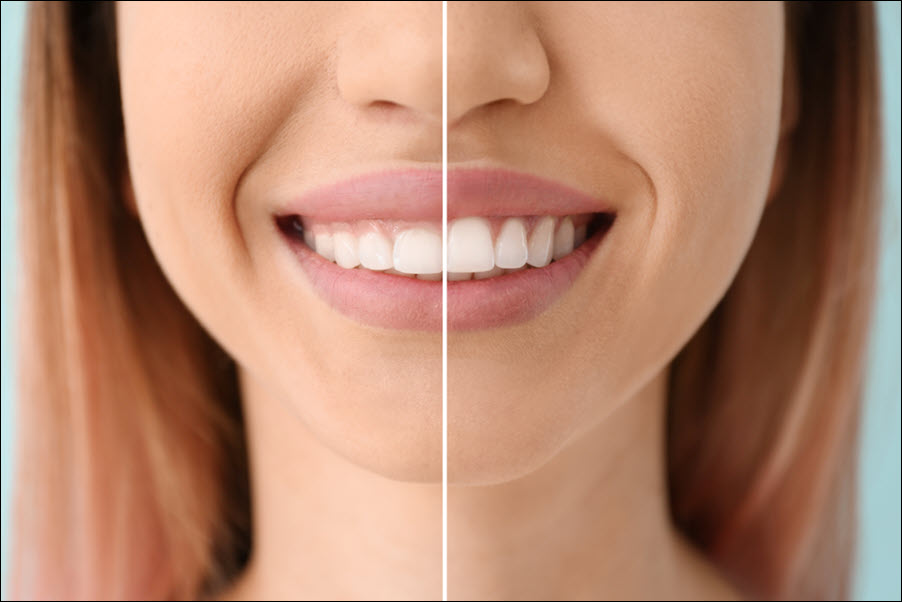
Gum contouring, also known as gum reshaping, is a cosmetic dental procedure that improves the balance and proportion of a smile. For patients with a “gummy smile” or uneven gumline, gum contouring creates symmetry and enhances appearance. In some cases, it also supports better oral health. Understanding what it is and who benefits from it helps patients make informed decisions.
How It Works
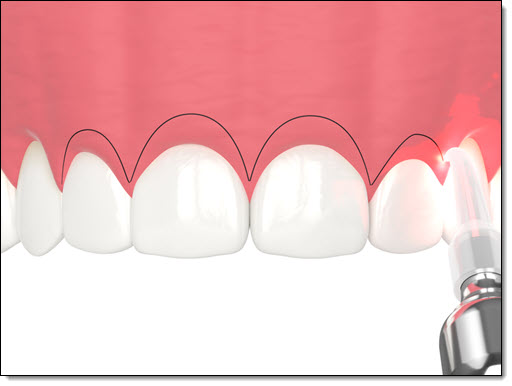 The dentist begins by applying local anesthesia for comfort. Excess gum tissue is removed using either traditional surgical tools or modern lasers. Lasers provide precision, reduce bleeding, and shorten recovery time. The goal is to expose more tooth surface, creating a balanced gum-to-tooth ratio. For some patients, gum contouring is combined with crown lengthening to further refine the smile.
Cosmetic Benefits
Many patients pursue contouring as a cosmetic procedure to correct a smile dominated by gums. Reshaping tissue creates the appearance of longer teeth and better proportions. Uneven gumlines that make teeth appear mismatched are also corrected. The result is a more harmonious, attractive smile that boosts confidence.
How Laser Gum Contouring Works
During the procedure, dentists apply local anesthesia to ensure comfort. A specialized dental laser then trims and shapes excess gum tissue. Lasers cauterize as they cut, reducing bleeding significantly. This makes the process cleaner and less invasive than surgical tools.
Health Benefits
Beyond appearance, contouring can reduce deep pockets where bacteria accumulate. This makes oral hygiene easier and lowers risks of gum disease. Patients with excess gum tissue due to genetics or medications often find improved gum health after contouring.
Who Needs Gum Contouring?
Ideal candidates are those with healthy gums and teeth but dissatisfied with smile proportions. Patients with gum disease must first resolve infections before considering cosmetic reshaping. A consultation ensures the procedure matches both cosmetic and health goals.
Gum contouring enhances smiles by reshaping gums for better balance and easier hygiene. For patients with gummy or uneven smiles, it offers both aesthetic and functional benefits.

 Modern jaws are often too small to accommodate wisdom teeth. They often lack space to grow properly, becoming impacted, growing sideways or only partially erupting. Impacted teeth trap food and bacteria, leading to infections, gum disease, and cavities in nearby teeth. Some wisdom teeth erupt partially, creating flaps of gum tissue that harbor infection. Removing problematic wisdom teeth prevents pain and long-term dental issues.