
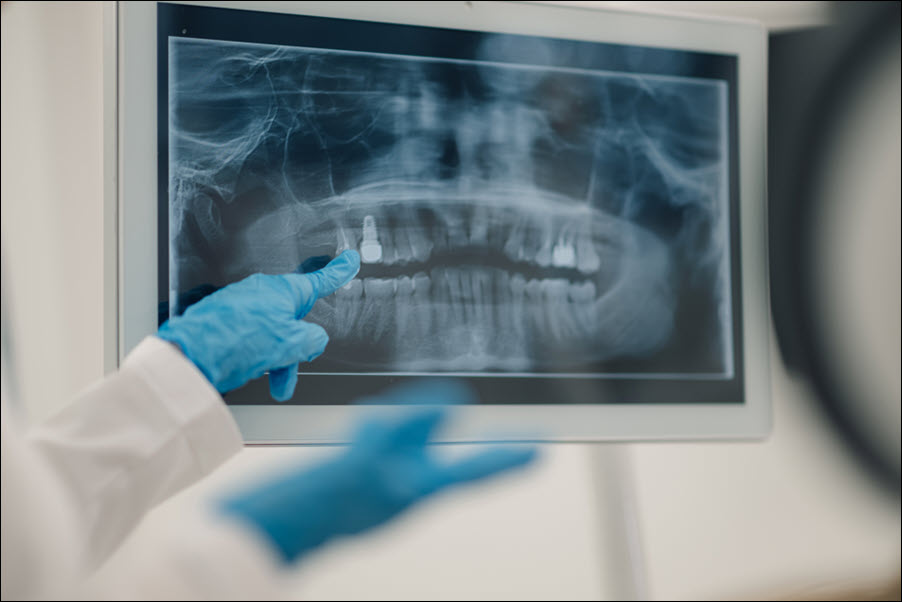
Are Digital X-Rays More Accurate Than Traditional Ones?
Accuracy matters when diagnosing dental issues, and X-rays are essential tools. For years, traditional film X-rays were the standard. Today, digital X-rays dominate, offering enhanced precision and reliability. Patients benefit from clearer images, earlier detection, and improved treatment planning. Comparing the two methods highlights why digital X-rays are now considered superior.
Clarity and Detail in Imaging
 Film X-rays often suffered from blurry areas or limited contrast. Digital sensors produce high-resolution images that dentists can enlarge and adjust. This flexibility allows detection of tiny cavities, early bone loss, or infections that film might miss. The ability to adjust images digitally ensures accurate diagnoses and targeted treatment. Patients receive care before problems worsen.
Speed and Accessibility
Traditional film required chemical development, often delaying review. Digital X-rays appear instantly on computer screens, allowing immediate evaluation. Dentists can share results with patients during the same visit, improving education and decision-making. Files can also be emailed to specialists or insurance providers instantly. This speed improves collaboration and accelerates treatment.
Consistency and Reliability
Film quality often varied depending on exposure and processing. Digital systems reduce variability, producing consistent results every time. Less room for human error means diagnoses are more reliable. Consistency improves patient trust and ensures long-term records remain accurate.
Safety and Patient Comfort
In addition to accuracy, digital X-rays expose patients to less radiation. Protective measures further enhance safety. Patients appreciate knowing their diagnostics are not only clearer but also safer. Reduced exposure encourages compliance with necessary imaging, ensuring ongoing monitoring of oral health.
Digital X-rays surpass traditional film in accuracy, speed, and consistency. Patients receive safer, more reliable diagnostics, while dentists make informed decisions. The shift to digital imaging represents a leap forward in precision and patient-centered care.