
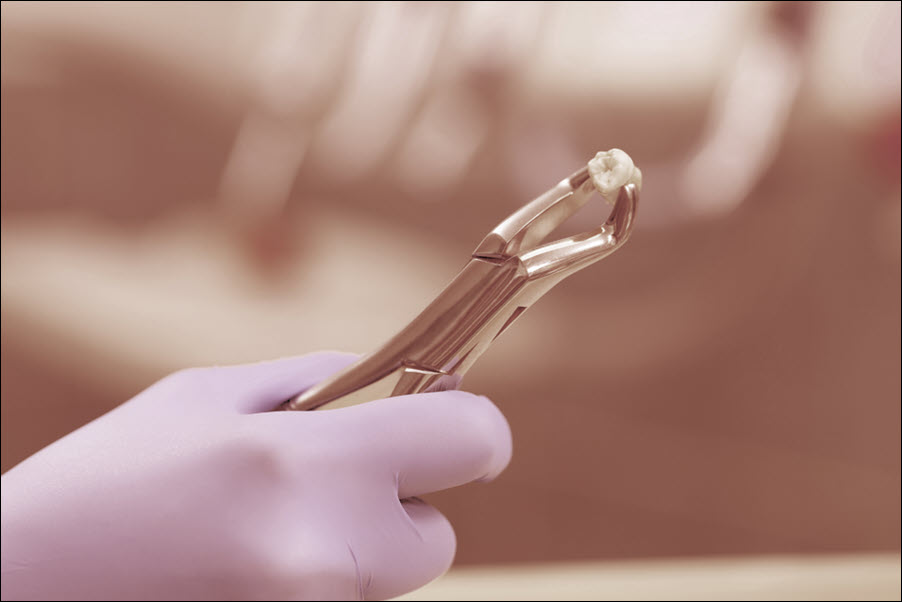
Tooth Extractions: When Is Removing a Tooth Necessary?
Dentists generally want to preserve your natural teeth whenever possible. However, there are situations when a tooth is too damaged, infected, or problematic to remain in place. In these cases, tooth extractions may be recommended to protect your oral health and prevent additional problems.
At McCracken Family Dentistry, we carefully evaluate each patient before recommending an extraction and explain what to expect before, during, and after treatment.
Why Would a Tooth Need to Be Extracted?
 A tooth extraction is the removal of a tooth from its socket. Although restorative treatments can save many damaged teeth, sometimes removal is the most appropriate option.
Common reasons for tooth extractions include:
- Severe tooth decay
- A badly broken or damaged tooth
- Advanced gum disease
- A serious dental infection
- Impacted or problematic wisdom teeth
- Overcrowding
- Preparation for certain orthodontic treatments
- A tooth that cannot be predictably restored
Your dentist may use dental X-rays to evaluate the tooth, its roots, surrounding bone, and nearby structures before recommending treatment.
What Happens During a Tooth Extraction?
The exact procedure depends on the tooth and its condition. A tooth that is fully visible above the gumline may require a relatively straightforward extraction.
An impacted tooth or one that has broken near the gumline may require a surgical extraction. In these situations, additional steps may be necessary to safely access and remove the tooth.
Before treatment, the area is numbed with local anesthetic to help keep you comfortable. Your dentist will also provide instructions about what to expect based on the type of extraction being performed.
What Should You Expect After an Extraction?
After a tooth is removed, a blood clot forms in the socket. Protecting this clot is an important part of the healing process.
Follow all aftercare instructions provided by your dental team. These may include resting, eating softer foods, keeping the area clean, and taking recommended or prescribed medications as directed.
Avoid smoking, using straws, and vigorous rinsing during the initial healing period. These activities can disturb the blood clot and increase the risk of a painful complication known as dry socket.
Some swelling, tenderness, and minor bleeding can be expected after an extraction. Contact your dental office if symptoms become severe or do not improve as expected.
Does an Extracted Tooth Need to Be Replaced?
Not every extracted tooth needs replacement. Wisdom teeth, for example, are generally not replaced after removal.
However, replacing other missing teeth may be important. An open space can affect chewing and allow neighboring teeth to shift.
Depending on your needs, replacement options may include a dental implant, dental bridge, or removable partial denture. Your dentist can discuss these options and determine which may be appropriate for your smile.
Can Tooth Extractions Be Prevented?
Some extractions cannot be avoided, particularly when impacted teeth or significant injuries are involved. However, good preventive care can reduce your risk of losing teeth to decay or gum disease.
Brush twice daily with fluoride toothpaste, floss every day, and maintain regular dental examinations and professional cleanings. Seeking treatment when a problem first develops can also improve the chances of saving a natural tooth.
Learn More About Tooth Extractions
Having a tooth removed may sound intimidating, but understanding the procedure and following proper aftercare can make the experience easier.
McCracken Family Dentistry provides comprehensive dental care, including evaluation and treatment of damaged or problematic teeth. If you have persistent tooth pain, swelling, or concerns about a damaged tooth, contact our office to schedule an evaluation.
